|
This year, just 13 days before Cesar Chavez Day, The New York Times released a story by Fresno State alumnus Manny Fernandez (‘97, B.A. in news editorial) and international investigative reporter Sarah Hurtes titled “Cesar Chavez, a Civil Rights Icon, Is Accused of Abusing Girls for Years.”
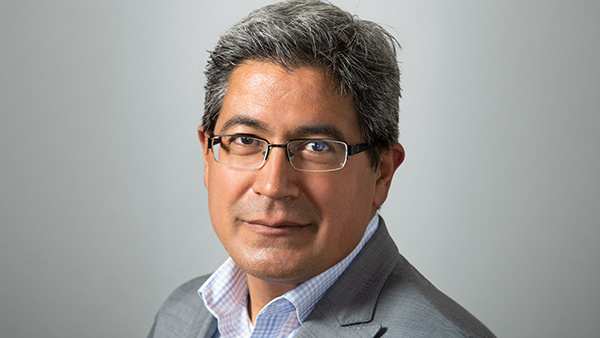
Faculty and staff are invited to hear Fernandez, New York Times California editor at large, discuss the investigation when he returns to his alma mater at 6:30 p.m. Wednesday, Sept. 30, in the Satellite Student Union. The discussion is presented by Fresno State’s Institute for Media and Public Trust and moderated by director Jim Boren.
Five years in the making and based on more than 60 interviews, the story’s impact prompted a wave of cancellations and renamings as authorities and institutions sought to remove and dismantle the deeply entrenched legacy. Within days, the Cesar Chavez statue was removed from the Fresno State Peace Garden, the Fresno City Council voted unanimously to change Cesar Chavez Boulevard back to the streets’ original names, and the state of California renamed Cesar Chavez Day to Farmworkers Day. Similar changes swept across the country, causing a stir that continues as more accusers step forward and lawsuits begin to fill courtrooms.
Growing up in Fresno, Fernandez was surrounded by the legacy of the farm labor movement in the San Joaquin Valley. He began his journalism career at San Joaquin Memorial, later writing for The Collegian and interning at The Fresno Bee while studying journalism at Fresno State.
After graduating, Fernandez worked for The San Francisco Chronicle and The Washington Post before joining The New York Times in 2005. His career at the Times has included serving as Houston bureau chief, Los Angeles bureau chief and deputy editor of politics, helping shape coverage of the 2022 midterms and 2024 presidential election. In 2026, he was named National Journalist of the Year by the National Association of Hispanic Journalists.
The Institute for Media and Public Trust, is committed to improving media literacy and enhancing public trust in journalism. The institute promotes ethical standards, transparency and accountability in media practices and supports investigative and public service journalism.
|