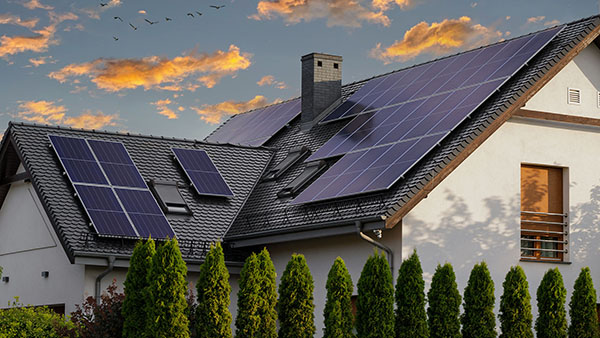
Common sense would suggest adding solar panels to a house should increase its resale value.
After all, a home solar installation can potentially reduce the electricity bill or even make a house energy independent. But a new research paper by three professors at the Craig School of Business demonstrates solar features can either raise or lower house prices, depending on how they are marketed.
The paper, “Influencing Housing Outcomes: Analyzing the Effects of Green Marketing Strategies,” published in the International Real Estate Review, was written by Dr. Andres Jauregui and Dr. Jacquelin Curry of the Department of Finance, Real Estate and Business Law and Dr. Emil Milevoj of the Department of Management.
The paper focused on a real estate marketing tool many home buyers and sellers don’t think of as being particularly important: the marketing remarks attached to home listings.
In most real estate markets, real estate agents are required to list houses for sale on a multiple listing service, or MLS, database. Information from these databases often appears on public-facing sites that homebuyers are familiar with, such as Zillow, Redfin and Realtor.com.
Realtors are required to disclose all the features of the house in the listing. However, they also have the option to include additional voluntary marketing remarks, which may highlight or downplay specific features of the property.
“Real estate professionals are not just providing information about a property,” Curry said. “They’re hired to sell the property, and so they have to put some thought process into what the remarks will mean and at the same time being honest and fully disclosing what a property has. It’s a balancing act. How much information needs to be provided? What should I say that will actually help strategically place this property?”
Visit Fresno State Today to read more.
|